Morph library / Base colour
Black Base
The dark base colour most crested geckos have.
Shows on the whole body.Dominant: one copy shows.
Try it in the builder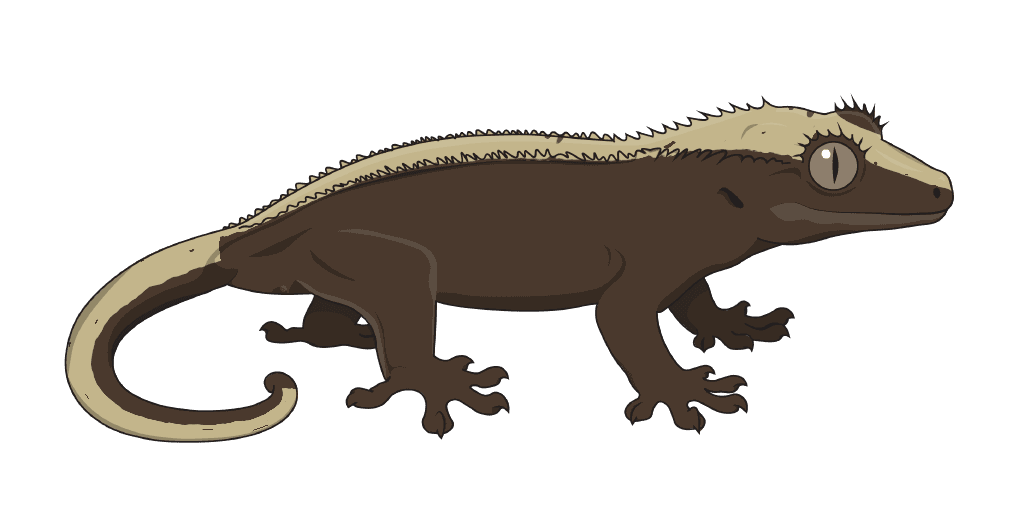
What it looks like
Black Base gives the dark body colour behind the pattern, from near black to deep brown. It is dominant, so one copy shows.
Black Base and Red Base share one gene slot. Every gecko carries two of them in total: B/B, B/r or r/r. A B/r gecko looks black but can pass on red.
This page shows Black Base drawn from its genes. For the written reference, inheritance tables and breeder notes, see the crested gecko morph guide on ReptiDex.
Side by side
Black Base (B/B)
Open in the builder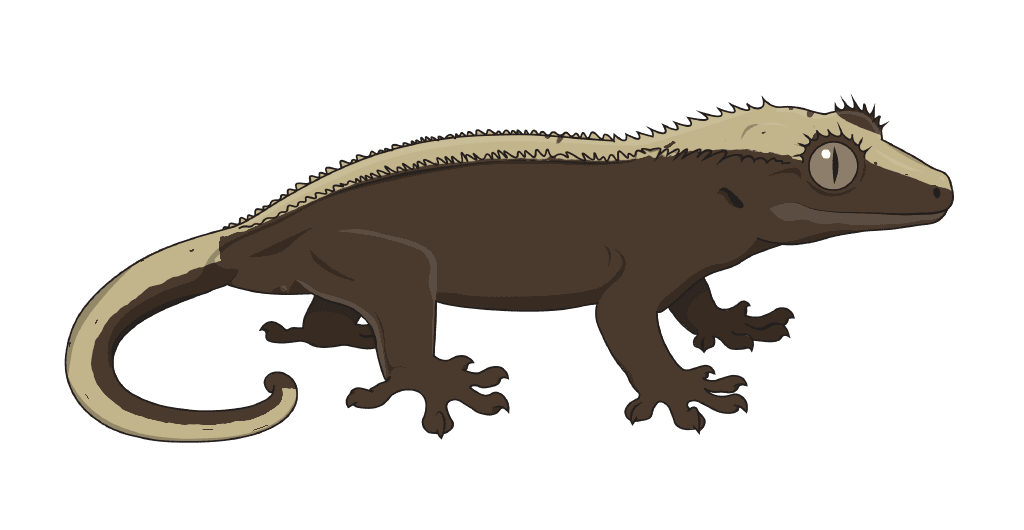
Black Base carrying red (B/r)
Open in the builder
With other genes
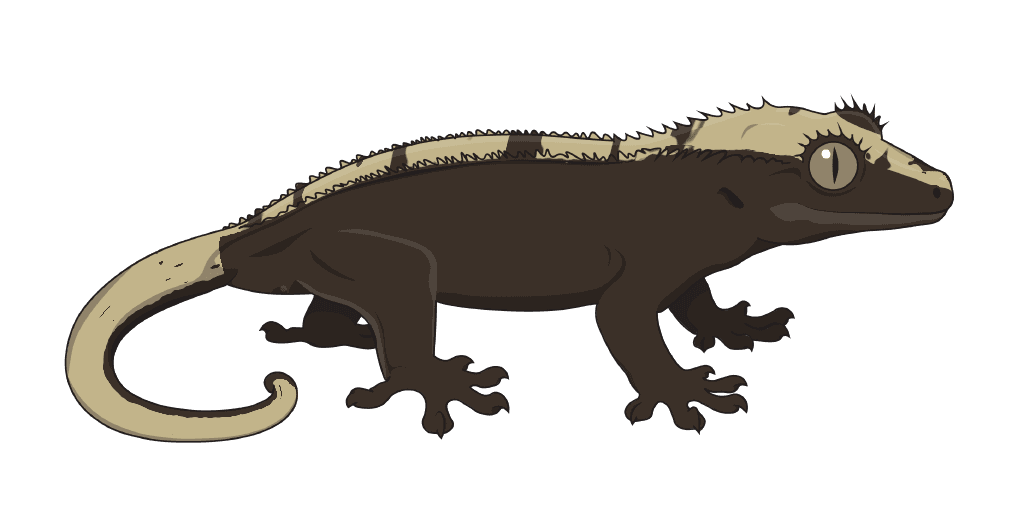
Hypo on Black Base makes Lavender
Hypo lightens the dark base into lavender and purple tones.
Before 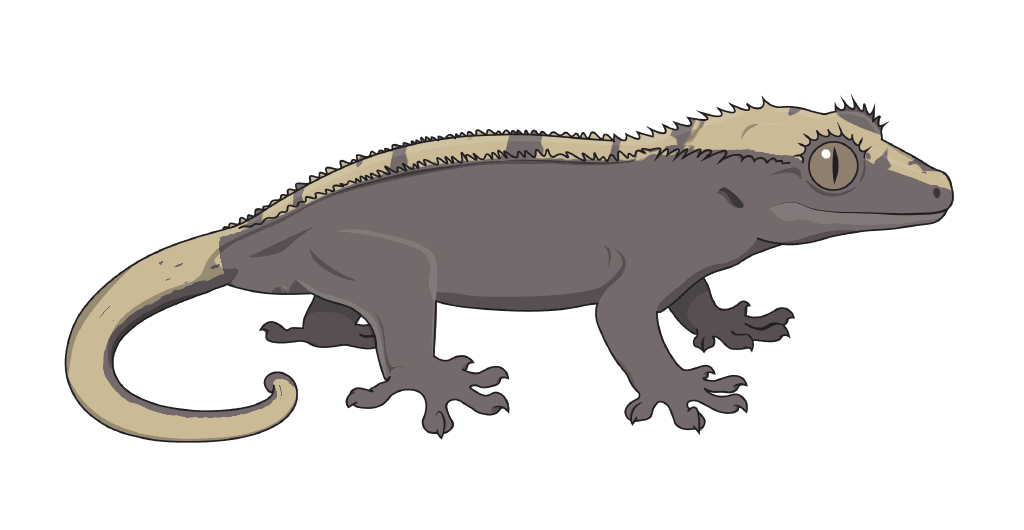
After Yellow on Black Base reads as Olive
Yellow sits on top of the black base, giving olive to greenish-yellow.
Before 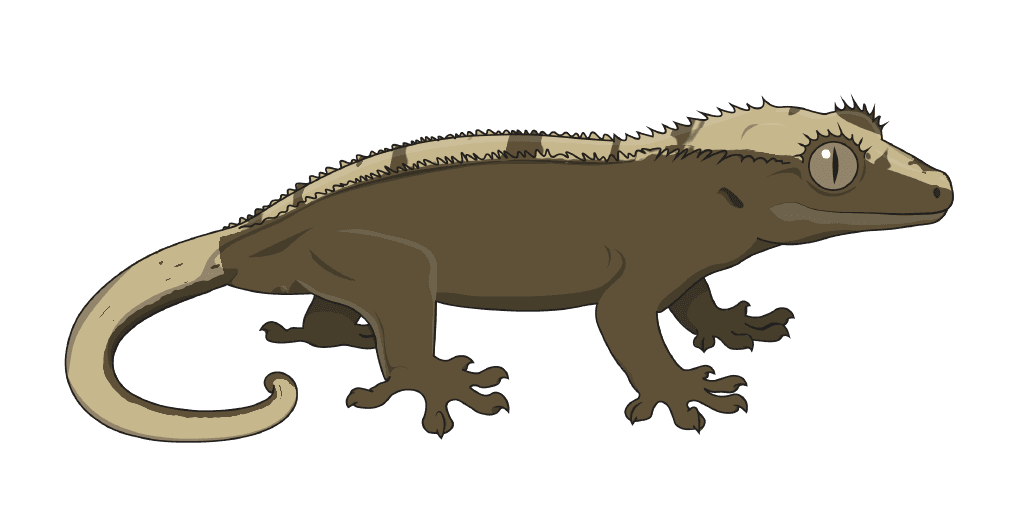
After
In depth
Fixed dominant allele producing black/dark base coloration. Most prevalent in wild and captive populations. Produces normal dark crested gecko coloring when not modified by other traits. Creates Lavender combo morph when combined with Hypo.
How to spot it
Black Base animals have typical dark crested gecko base coloration.
Where it came from
Black Base was assumed to be wild-type before Red and Yellow Base were identified.
How it is inherited
Dominant: one copy shows.
Written as B+ and b
Black Base is fixed dominant and most common. Approximately 60-70% of population carries B/B genotype in well-established lines. Source: Foundation Genetics Part 1.
Beside other genes
Black Base and Hypo strengthen each other
Hypo + Black Base creates Lavender combo morph through epistatic color change (black becomes lavender/purple/blue).
Morphs it takes part in
Halloweeneasy to breed
Vivid orange/yellow pattern on dark black base. High contrast Halloween-like coloration.
Needs Black Base, Orange Pattern.
Lavendertakes some work
Striking lavender, purple, or blue-shifted coloration replacing standard dark base. Pastel tones intensify with age.
Needs Black Base, Hypo.
Oliveeasy to breed
Olive to greenish-yellow base coloration. Yellow Base pigment expressed against Black Base melanin produces characteristic olive and khaki-green tones. Most pronounced when fired down. Fired-up animals shift toward brighter yellow. Depth varies based on relative copy number of each allele.
Needs Yellow Base, Black Base.