What's new
Gecktopia's renderer grows one morph at a time. Each entry here is something it can now draw from a gecko's genes.
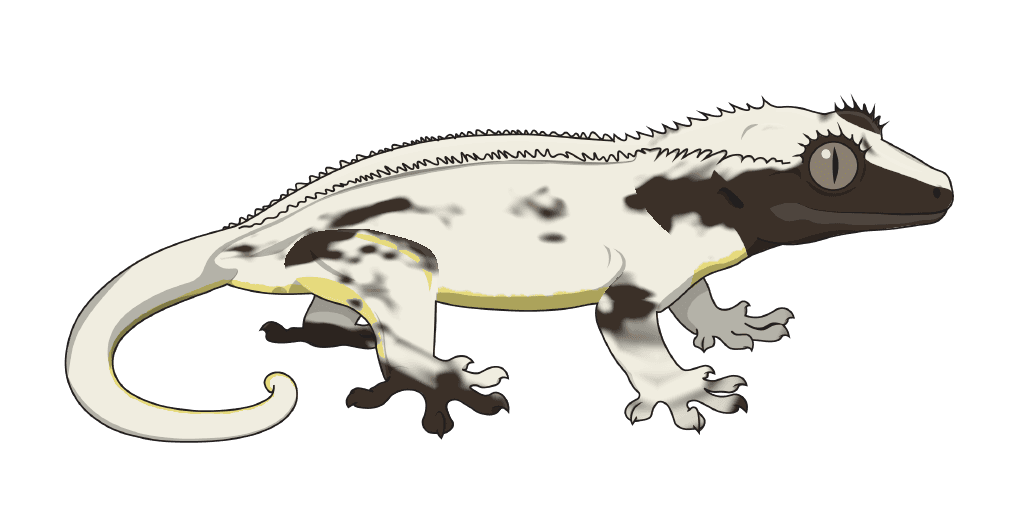
Lilly White, properly
A Lilly White now whitens the whole animal, head to tail, and leaves its colour in patches along the flank and limbs, rather than painting a white band on the lower side.
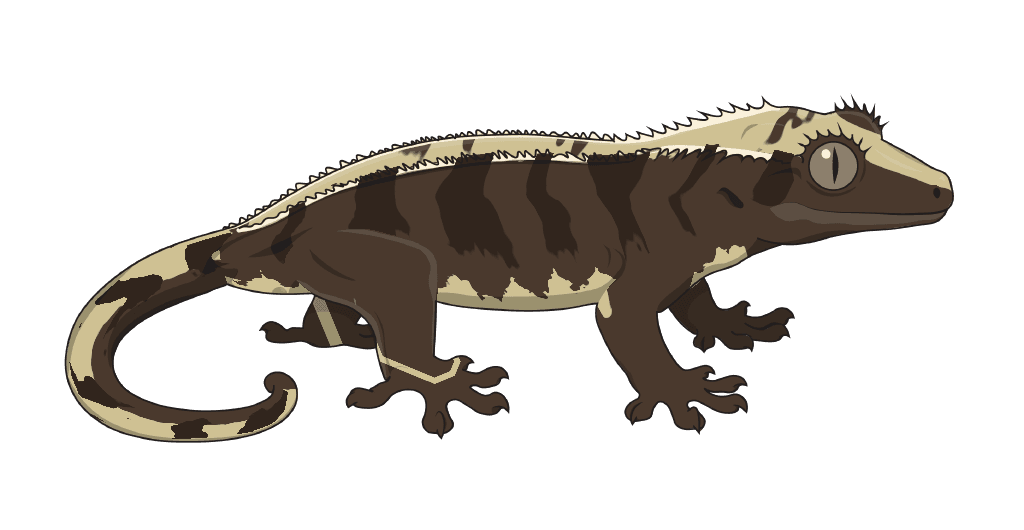
Quadstripe, spot density, and two kinds of overlay
Quadstripe is its own gene now, inherited separately from Pinstripe. Pinstripe is plain dominant: the breaks in the pin rows are Tiger cutting across them. Dalmatian says whether there are spots and a density says how many. Empty Back is a dark overlay that makes a pinstripe stand out; Phantom is a light film that covers one.
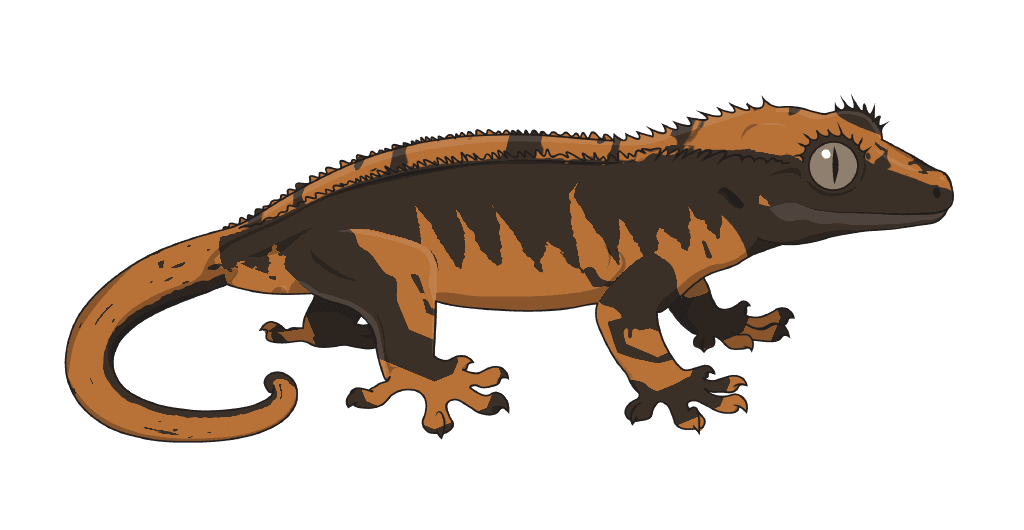
Tri-colour reads properly
Orange is a full pattern layer with the cream over it, so orange shows at the tips and edges instead of splitting the pattern into patches. Pattern edges are crisp now, with no stray speckles.
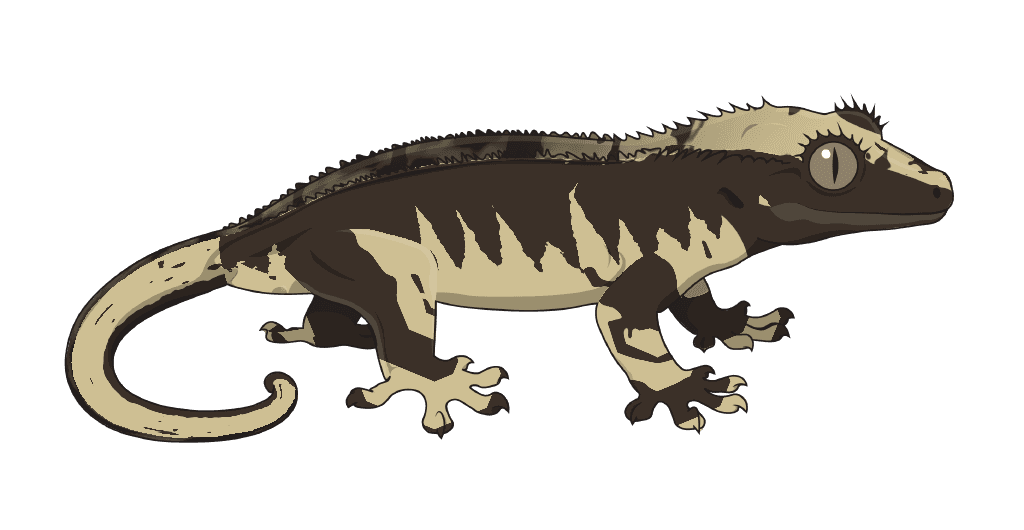
Empty Back and Phantom veil the pattern
Neither clears pattern any more. Both lay base colour over it, and how opaque that is decides how much shows. An Empty Back keeps the most pattern at the head stamp.
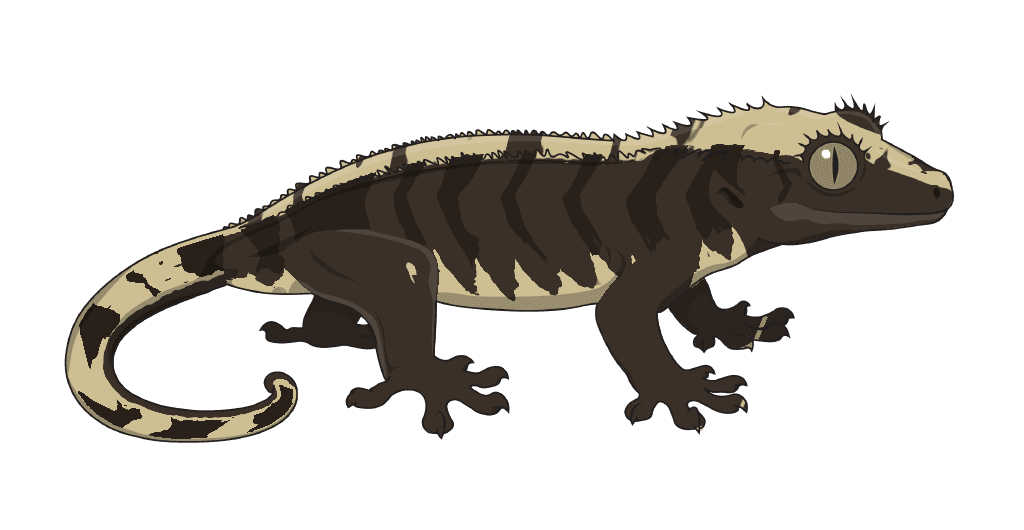
Tiger bands vary
Bands range from thin lines to broad blotches, pinch as they run down the side, and wander rather than falling straight.
Lilly White
Solid white on the lower side, with its highlighter-yellow belly accent.
Tiger and Brindle
Geckos described as Tiger now show dark bands, with the pattern pushed into the gaps. Brindle is broken tiger.
Quadstripe
Two copies of Pinstripe add a line along the middle of the side, between the legs.
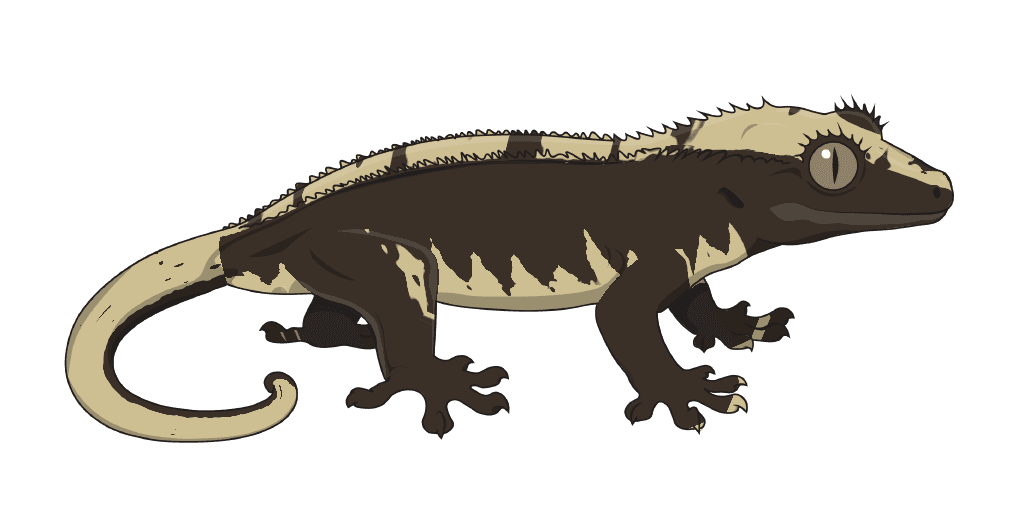
Patterns that climb
Flame and Harlequin now climb from the belly in zig-zags, and every gecko has a pattern on its back unless a gene changes it. Empty Back clears it.
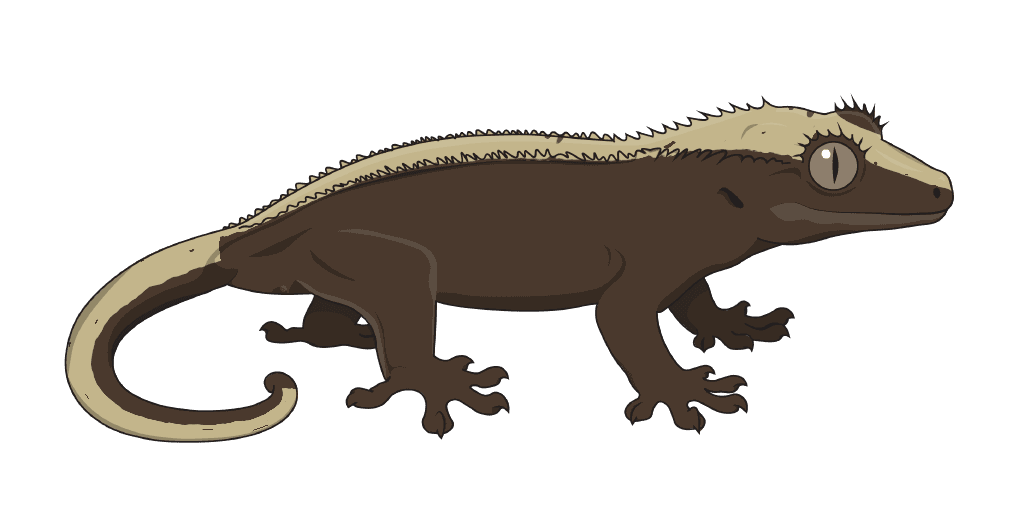
Base colours from real genetics
Black, Red and Yellow base, Hypo, Phantom, Axanthic and Fire, drawn from real inheritance rules.
The first geckos
The renderer draws Flame, Harlequin, Pinstripe and Dalmatian on new hand-drawn art.